
Regular Maintenance: The Ultimate Strategy to Save Time and Money
Learn how implementing regular maintenance now is the ultimate strategy for preventing expensive future repairs and saving your organization time.
PHP memory_limit: The Server Setting Developers Forget
The PHP memory_limit is a server setting developers often forget but always helps maintain predictable site behavior. Learn why it’s critical.
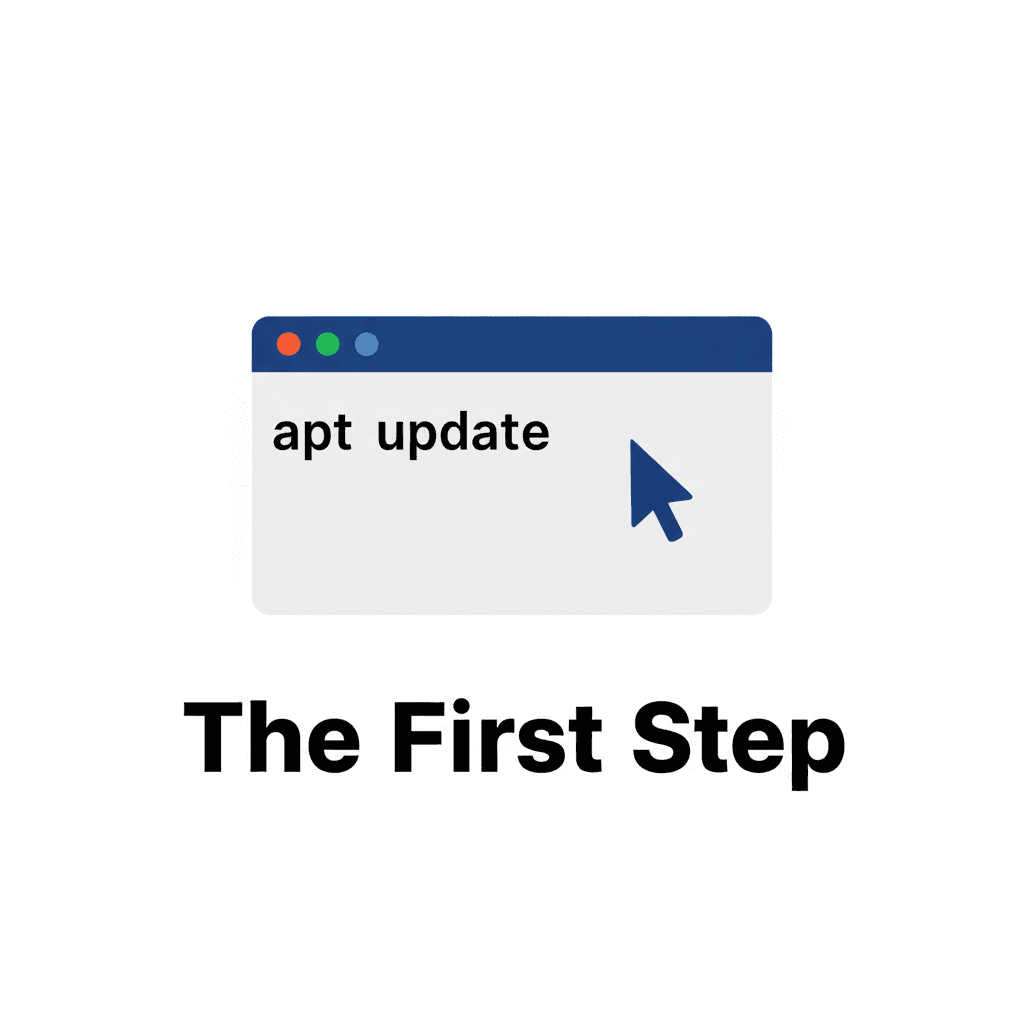
The apt update Command: The Essential First Step Before Any Linux Update
Running the apt update command before installing any packages is absolutely crucial. Learn why this simple step matters for system health and security.

Automated Patching: Safer Websites Without the Hassle
Discover how small, unnoticed website security updates keep your public-facing site secure. Learn about proactive steps for clients and developers to ensure automatic protection.

Composer 2.9 Insecure Package Block: Why Devs Should Pay Attention
The Composer 2.9 update quietly blocks insecure packages by default, significantly enhancing project security. Understand the impact of Composer 2.9 Insecure changes.
LocalGov Drupal Week: Alive, Kicking, and Ready for the Future
A post-event recap of LocalGov Drupal Week. Find out what made the community feel “alive and kicking,” from AI insights to Mark Conroy’s design tips.

What Is console.log()?
Learn what console.log() does in JavaScript, how to use it to debug your code, and why it’s one of the most essential tools for beginners. Simple explanation, examples, and a fun analogy included.
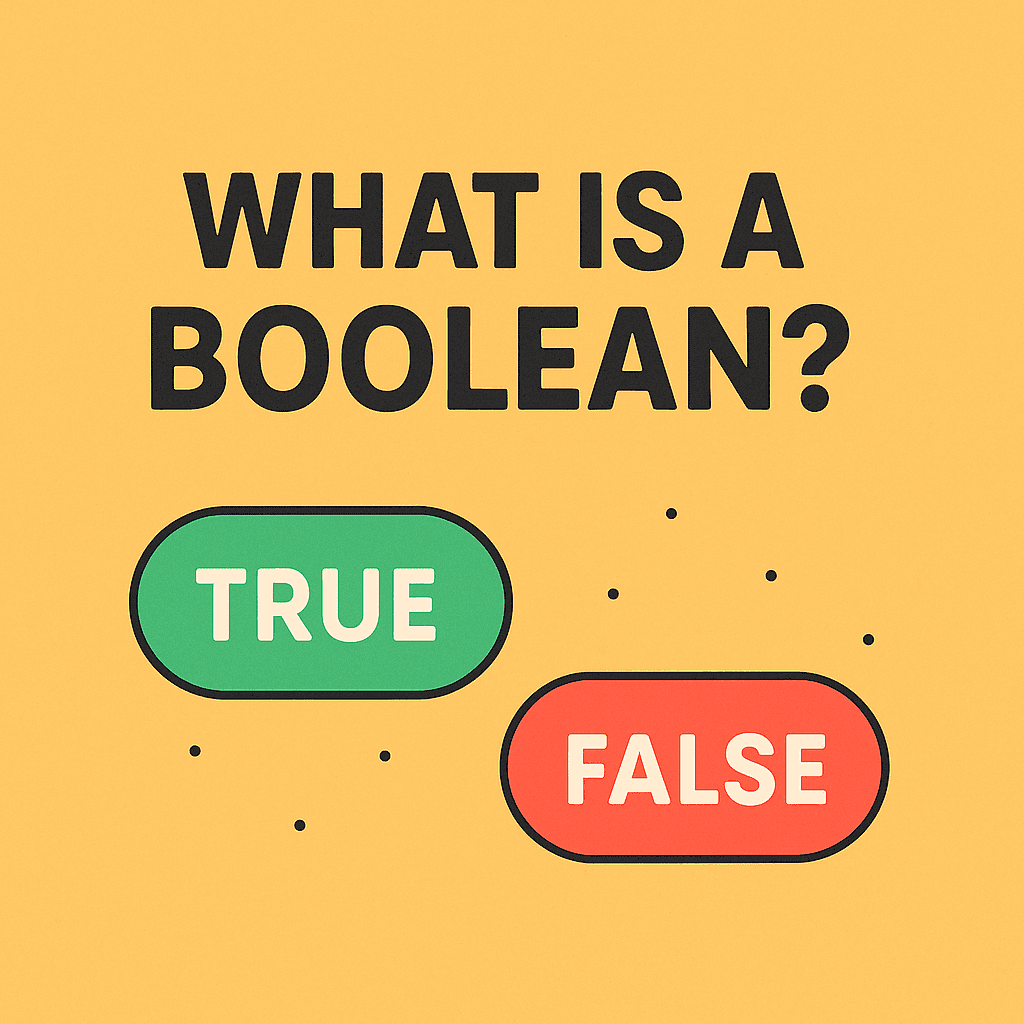
What Is a Boolean?
Learn what a Boolean is in JavaScript, how it works, and why it’s essential for logic in code. This beginner-friendly post includes examples, analogies, and a quick coding challenge.

What Is a Return Statement?
Learn what a return statement is in JavaScript, how it works inside a function, and why it’s useful. This beginner-friendly guide includes examples, a fun analogy, and a simple coding challenge.
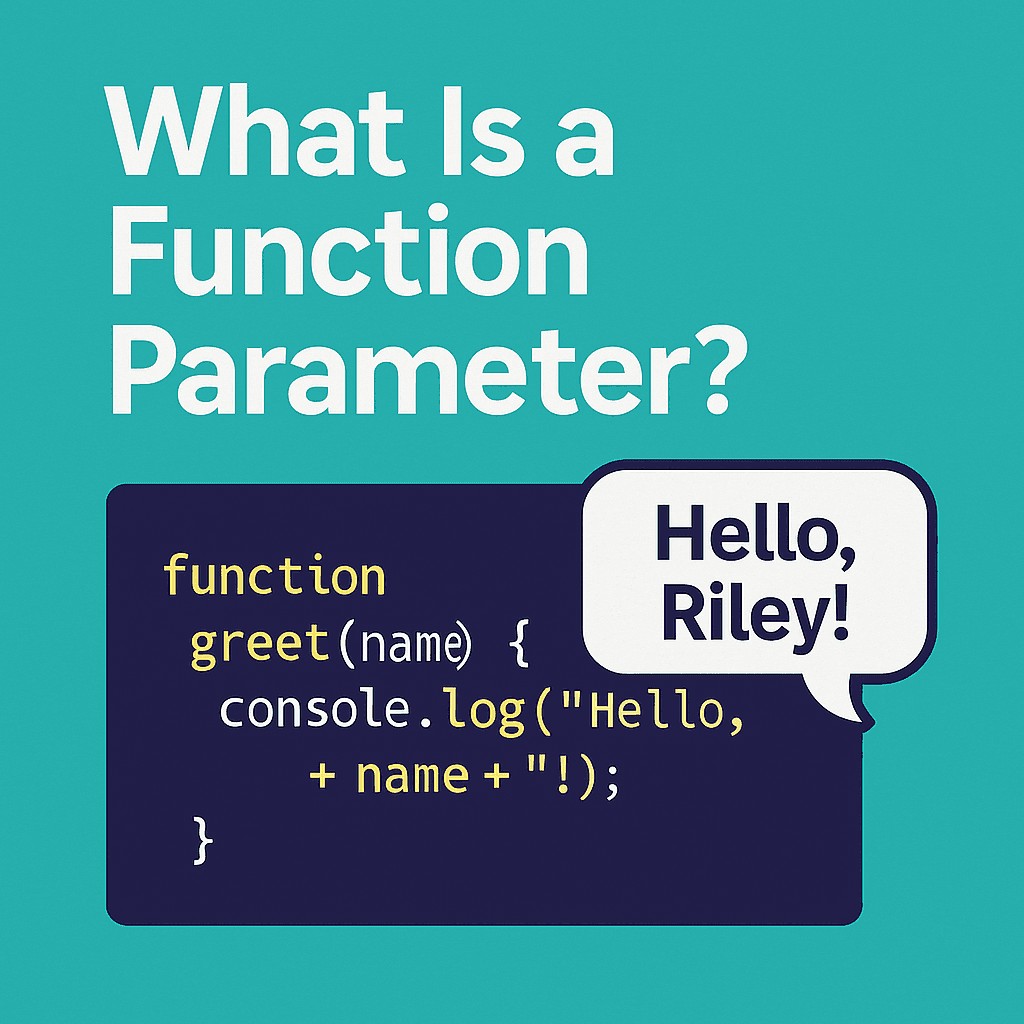
What Is a Function Parameter?
Learn how function parameters work in JavaScript. This beginner-friendly guide shows how to define and use parameters in your functions with clear examples, a simple analogy, and a quick challenge to try.